Showing posts with label Time Management. Show all posts

Tuesday, August 12, 2025

The Power of Now

It began on a day when my mind simply would not stop running. I had tried reading something light, tried taking a walk, even tried music, but the thoughts kept coming like an endless river. While scrolling through audiobook suggestions, the title The Power of Now caught my attention. There was something about it that sounded like an invitation rather than a command. I pressed play and was met with Eckhart Tolle’s calm, unhurried voice. It was not just a narration, it felt like he was sitting beside me, speaking directly to the restless part of my mind. His tone was steady and gentle, yet it carried a depth that made me pause between sentences, as though the silence between his words was part of the teaching. What I expected to be background listening became a deeply personal conversation that reshaped the way I see time, thought, and presence. Below are eight lessons that stayed with me, each one delivered in such a way that I could not have ignored, and each with the potential to help anyone who is willing to listen with both mind and heart.

1. The present moment is all we ever truly have: When Tolle spoke about the past and future being mere mental constructs, I felt an almost physical jolt. He explained that we live as though the past can be changed or the future can be controlled, yet both only exist in our minds. I realized how much of my energy is spent replaying old scenes or rehearsing future ones. He drove home the point that life only ever happens now, and hearing it in his steady voice made it sink in deeply. Anyone who embraces this lesson can begin to experience a lighter way of living, free from the weight of imagined timelines.

2. The mind is a tool, but it should not be the master: The author described the mind as a beautiful servant but a dangerous master. I recognized myself in the way he spoke of compulsive thinking. His words made me see that my constant mental chatter is not the essence of who I am. He guided me to notice the mind without becoming lost in it. This lesson can help others to stop being controlled by their thoughts and instead begin to use their minds intentionally.

3. Presence dissolves pain: Tolle spoke of the pain body, that storehouse of old emotional hurt, and how it is fed by identifying with past wounds or future fears. I could feel my own old grievances stirring as he explained this, yet there was also relief in his message. By bringing attention fully to the now, without judgment, the pain body begins to lose its grip. This is a gift anyone can use, especially in moments when emotional suffering feels unshakable.

4. Acceptance is not weakness: There was a moment when he spoke of surrender, and I almost resisted the idea. In my mind, surrender had always felt like giving up. But he painted it differently, showing that acceptance of the present moment is an act of strength because it aligns us with reality instead of fighting against it. I realized that much of my stress comes from arguing with what already is. For others, this lesson can bring a surprising peace in situations where resistance has only created more struggle.

5. The body is a gateway to the now: Listening to Tolle guide attention into the body was unexpectedly grounding. He suggested feeling the aliveness in the hands or the sensation of breathing as a way to step out of the noise of the mind. I tried it right there while walking, and it worked. It reminded me that the body is always present, even when the mind is elsewhere. This is something anyone can practice in daily life to quickly return to the present.

6. Relationships are transformed by presence: When he explained how most relationships are unconsciously shaped by need, fear, or past baggage, I felt an uncomfortable truth rising. He spoke of relating to others from a state of presence rather than from old patterns. I could see how my own connections could benefit from this shift. For anyone willing to listen, this lesson can bring more authenticity and less drama into relationships.

7. Death loses its sting when you live in the now: There was a striking stillness in his voice when he spoke about death, not as an end, but as part of the eternal now. Hearing this made me realize that much of the fear around death is actually fear of losing the future. If one truly lives in the present, that fear loses its grip. This perspective can free others from an unspoken shadow that often hangs over life.

8. The now is not something to achieve, it is something to notice: Perhaps the most surprising lesson was that I did not have to struggle or strive to reach the present moment. Tolle made it clear that the now is always here, waiting to be noticed. It is the mind that complicates it with endless seeking. This softened something in me. For others, this lesson can remove the pressure to “get it right” and simply open the door to presence at any moment.

Book/Audiobook: https://amzn.to/4mJmnHY

You can access the audiobook when you register on the Audible platform using the l!nk above.

Saturday, April 6, 2024

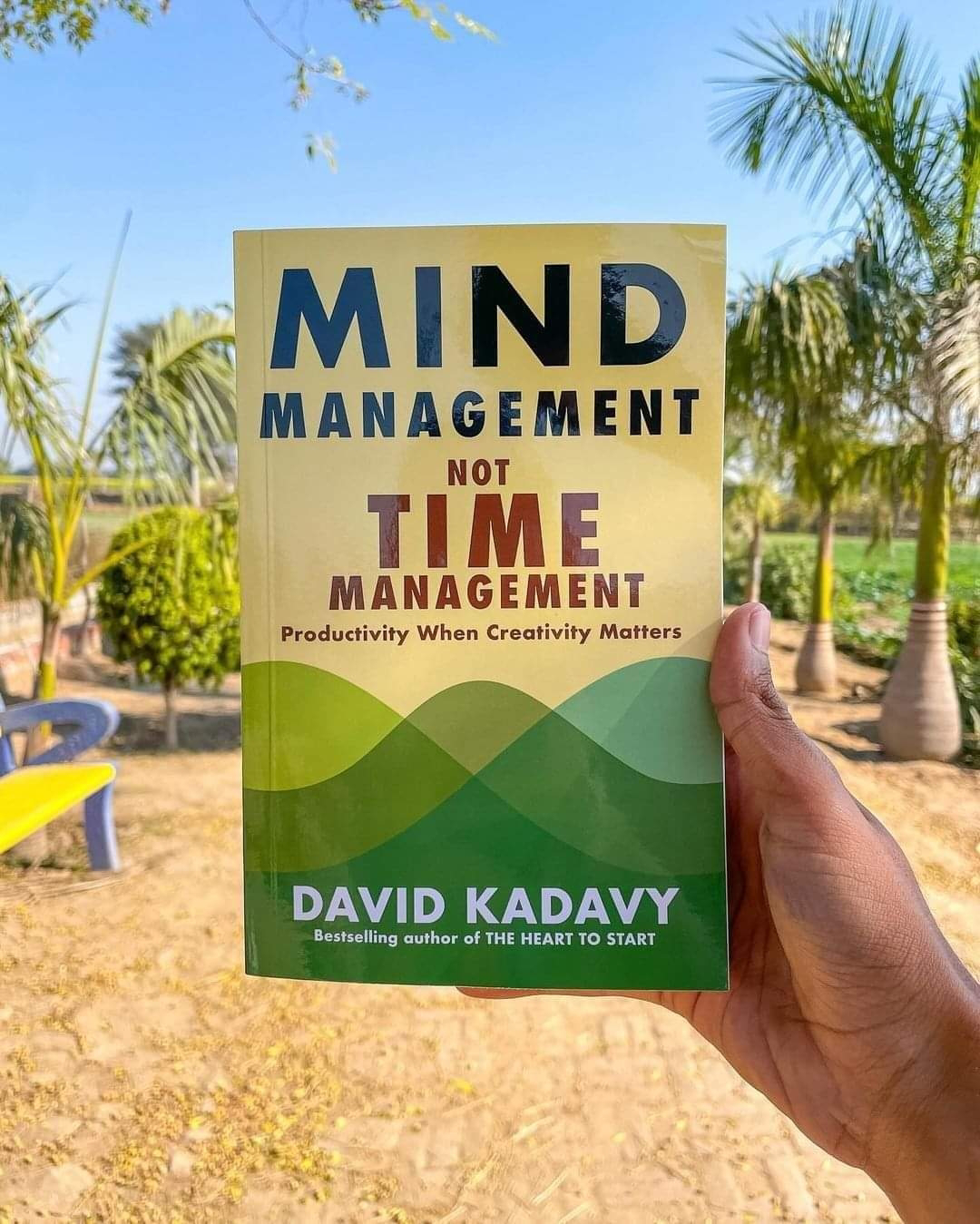
Mind Management Not Time Management

The book "Mind Management Not Time Management" by David Kadavy offers valuable lessons on how to improve productivity and manage one's time more effectively.

Here are some key takeaways from the book:

1. Prioritize your tasks: Kadavy emphasizes the importance of setting priorities. It's crucial to know which tasks are most important and will have the greatest impact on your goals. By focusing on high-priority tasks first, you can ensure that your time and energy are allocated efficiently.

2. Avoid multitasking: Contrary to popular belief, multitasking can be less productive and more draining. Kadavy suggests focusing on one task at a time and giving it your full attention. This allows for deeper engagement and better results.

3. Embrace deep work: Deep work refers to periods of uninterrupted, concentrated work. The author stresses the significance of creating dedicated blocks of time for deep work, during which distractions are minimized. These focused sessions can lead to higher-quality output and increased productivity.

4. Manage distractions: To improve time management, it is necessary to identify and manage distractions effectively. Kadavy advises developing strategies to minimize interruptions, such as turning off unnecessary notifications, setting aside specific time for email and social media, and creating a conducive environment for concentration.

5. Leverage your energy cycles: Understanding your individual energy cycles is crucial for optimizing productivity. Kadavy suggests identifying your peak energy periods and scheduling demanding or creative tasks during those times. Conversely, less demanding activities can be planned for lower-energy periods.

6. Cultivate a growth mindset: Developing a growth mindset enables you to approach challenges and setbacks as opportunities to learn and grow. Kadavy emphasizes the importance of reframing failures and setbacks positively and using them as stepping stones for improvement rather than feeling discouraged or defeated.

7. Take breaks and rest: Rest and rejuvenation play a vital role in maintaining productivity and well-being. The author advises incorporating regular breaks into your work routine, allowing your mind to recharge and preventing burnout.

8. Set realistic goals: Setting achievable and realistic goals is essential for effective time management. Kadavy emphasizes the importance of breaking down larger goals into smaller, actionable steps to ensure progress and prevent overwhelm.

9. Cultivate self-awareness: Developing self-awareness allows you to understand your habits, strengths, weaknesses, and patterns of behavior. This knowledge can help you identify areas for improvement and implement strategies to enhance productivity and time management.

10. Embrace simplicity and minimalism: Simplifying your workflow and removing unnecessary clutter from your life can lead to increased efficiency and focus. Kadavy encourages decluttering both physical and digital spaces, reducing commitments and distractions, and adopting a minimalist mindset.

"Mind Management Not Time Management" offers valuable insights and practical techniques to enhance productivity, manage time effectively, and cultivate a more mindful approach to work and life.

Book: https://amzn.to/3xaeTJi

You can get the audiobook for FREE by using the same link above when you register on the Audible platform.