Showing posts with label life lessons. Show all posts

Tuesday, September 23, 2025

Win Your Inner Battles: Defeat the Enemy Within and Live with Purpose

I stumbled on the book Win Your Inner Battles: Defeat the Enemy Within and Live with Purpose by Darius Foroux, and it hit me as both a challenge and an encouragement. The book argues that the toughest wars we fight aren’t against the world, but against ourselves—our fears, doubts, excuses, and habits. Victory in life doesn’t come from conquering others, but from conquering the inner voices that hold us back. Foroux shows that purpose, discipline, and courage grow when we learn to master our own minds.

Here are 8 profound lessons I drew from it:

1. Your Biggest Enemy Lives Inside You

It’s not circumstances, competitors, or critics that stop us most—it’s procrastination, fear, and negative self-talk. Awareness is the first step to winning.

2. Discipline Is the Bridge to Freedom

True freedom isn’t doing whatever you want—it’s mastering your impulses so you can focus on what truly matters. Discipline is the ultimate act of self-respect.

3. Fear Is a Compass, Not a Wall

Instead of running from fear, Foroux suggests seeing it as a guidepost. The things we fear often point to the very areas where growth is possible.

4. Excuses Are Comfortable Lies

We sabotage ourselves with excuses that feel safe. Choosing honesty over excuses—no matter how uncomfortable—keeps us moving forward.

5. Habits Decide Who You Become

Success is built not on grand intentions but on consistent habits. Small daily victories compound into a life of strength and purpose.

6. Self-Doubt Is Natural but Not Final

Everyone questions themselves, but winners act despite uncertainty. Courage is not the absence of doubt, but the decision to move forward anyway.

7. Purpose Gives Power to Pain

Life is never free from struggle. But when you anchor your actions to purpose, struggles transform into meaningful stepping stones instead of roadblocks.

8. Victory Is Daily, Not Once-and-for-All

You don’t “defeat” the inner enemy one time—it’s an ongoing battle. Every day you choose discipline, honesty, and courage, you win again.

✨ Final Take
Win Your Inner Battles is a reminder that the fight for a purposeful life starts within. By facing our fears, disciplining our habits, and refusing excuses, we can silence the enemy within and create a life of meaning, courage, and strength.

FREE AUDIOBOOK:https://amzn.to/4nfRgEi

YOU CAN ALSO GET THE BOOK AND KINDLE USING THE SAME LINK.

Thursday, September 18, 2025

Life is in Transitions by Bruce Feiler

In Life Is in the Transitions, Bruce Feiler challenges the traditional view of a linear, predictable life path. Based on interviews with hundreds of people across the country, he reveals that life is not a straight line but a series of unexpected disruptions he calls "disruptors" or "life quakes." These events, whether a job loss, a divorce, a medical diagnosis, or a new career, often trigger what he defines as a "life transition." Feiler outlines a powerful, actionable framework for navigating these transitions. He emphasizes that they are a normal part of life and that by embracing them with a new mindset and a set of practical tools, you can not only survive but thrive. The book provides a modern and hopeful perspective on how to master the art of change and emerge stronger on the other side.

10 Key Lessons and Insights

1. Life Is a Series of Disruptions. The notion of a "straight and narrow" life is a myth. The book reveals that the average person experiences three to five major life disruptions, or "life quakes," which trigger significant transitions.

2. Transitions Have a Predictable Pattern. Feiler identifies a common three-phase process for navigating change:

- The Long Goodbye: Letting go of your old life and identity.

- The Messy Middle: A period of confusion, exploration, and reinvention.

- The New Beginning: The emergence of a new identity, purpose, and story.

3. The "Messy Middle" Is a Crucial Phase. This is the most challenging part of a transition, but it’s where true growth happens. It's a time for exploring new options, letting go of old beliefs, and creating a new narrative for your life.

4. Storytelling is a Key Tool for Change. The book stresses the importance of revising your life story. By changing the narrative you tell yourself about a disruption, you can change your perspective and find meaning in the transition.

5. You Are Not Alone. One of the most powerful findings from Feiler's research is the shared nature of these experiences. Understanding that millions of people are navigating similar challenges can reduce feelings of isolation and shame.

6. Seek a "Personal Board of Directors." To successfully navigate change, you need a diverse group of people to support you. This includes mentors, therapists, friends, and family who offer different perspectives and skills.

7. Shedding and Grieving Are Necessary. The first step of any transition is to acknowledge and mourn the loss of your old life. Trying to skip this step will only prolong the pain and prevent you from moving forward.

8. Rituals Can Help You Move On. Creating small rituals to mark the end of an old phase or the beginning of a new one can be incredibly therapeutic. These acts can give you a sense of control and closure.

9. Your "Life Quake" Is an Opportunity. A disruption is not an end but a doorway. It's a chance to reassess your values, realign your life with what truly matters, and embark on a more authentic path.

10. Embrace the Fluidity of Identity. In a world of constant change, your identity is not fixed. It is something you continuously build and rebuild. The book encourages you to see your identity as a verb, not a noun—something you are always doing, not just being.

BOOK: https://amzn.to/4nCia9h

You can ENJOY the AUDIOBOOK for FREE (When you register for Audible Membership Trial) using the same link above.

Follow The Legacy

Monday, September 15, 2025

Mistakes that Made Me a Millionaire

This is not a book about flawless success—it is a book about falling, stumbling, misjudging, and choosing to rise anyway. Kim Perell does not present the polished fairytale of entrepreneurship. She tells the truth: that the path to wealth and fulfillment is paved with wrong turns, embarrassing failures, and moments when everything seems impossible. But within those mistakes lie the seeds of greatness—if you are willing to learn, adapt, and keep moving forward.

Perell writes with both the grit of a battle-tested entrepreneur and the compassion of someone who knows what it feels like to doubt, to fear, to wonder if you’re cut out for the dream you’re chasing. Her voice is not distant—it is human, urgent, and empowering. She reframes mistakes not as shameful scars but as steppingstones, each one carrying you closer to mastery. The heart of the book is simple yet profound: success does not come in spite of mistakes, but because of them.

Four Lessons That Will Stay With You Forever

1. Failure Is Not the Opposite of Success—It Is Its Teacher
   Every misstep carries wisdom. Every loss reveals a hidden lesson. Perell insists that failure is not a dead end but a detour, a redirection toward something stronger. The key is not avoiding mistakes but refusing to be defined by them. Each stumble sharpens your instincts, toughens your resolve, and prepares you for the moment when opportunity knocks again.

2. Risk Is the Price of Growth
   To play it safe is to stay small. Perell’s journey shows that the biggest breakthroughs often come from daring choices that could have gone terribly wrong. The point is not recklessness, but courage—the willingness to bet on yourself when no one else will. Every millionaire mistake she made was born from a risk, and every risk carried the chance of transformation.

3. Resilience Matters More Than Perfection
   You don’t need to be perfect to succeed—you need to be relentless. Perell’s story reveals that the entrepreneurs who thrive are not the ones who always get it right, but the ones who refuse to quit when they get it wrong. Resilience is the quiet force that keeps you standing when the dream feels distant, when the critics are loud, when the world tells you to stop.

4. Mistakes Are Proof That You’re in the Arena
   The only people who never make mistakes are those who never try. Every miscalculation, every rejection, every failed idea is proof that you are in motion, that you are daring to create instead of staying safely still. Perell reframes mistakes as badges of courage, evidence that you are alive, engaged, and fighting for something bigger than comfort.

This is not a book that glorifies money—it glorifies growth. It doesn’t hand you shortcuts or guarantees. It hands you perspective: that success is messy, uneven, and built on the bones of failure.

Mistakes That Made Me a Millionaire is less about riches and more about resilience. It is a reminder that the path to your dream will not be clean, but it will be worth it. And when you look back, it will not be the victories alone that shaped you, but the mistakes you turned into milestones. This book is proof that what breaks you today can build you tomorrow—if you refuse to stop walking.

BOOK:https://amzn.to/41T0vSt

You can also get FREE Audiobook using the same link use the link to register Audible and start enjoying it

Monday, September 8, 2025

100 Lessons for a Quiet Mind and Powerful Life

The title pulled me in—it promised not just peace of mind but also strength in life. What I found was a compact yet profound guide: short, meditative lessons designed to silence inner noise, sharpen focus, and remind us that a powerful life doesn’t come from rushing but from aligning thoughts, emotions, and actions. It feels less like a heavy manual and more like a pocket companion for clarity.

Here are 10 valuable lessons from the book:
1. A quiet mind is the foundation of a powerful life.
Peace doesn’t mean the absence of problems, but the ability to stay centered while facing them. The book insists that true strength begins in stillness.
Takeaway: Instead of reacting immediately, breathe and allow silence before you respond.

2. Focus is your greatest currency.
In a noisy world, scattered energy dilutes potential. Abedin stresses that sharpening focus is like sharpening a blade—it makes everything more effective.
Takeaway: Choose one priority each day and devote yourself fully to it.

3. Your imagination creates your reality.
The book highlights that imagination, when paired with belief, shapes the world you live in. Dreaming with conviction is a quiet act of creation.
Takeaway: Spend a few minutes daily imagining the life you want as though it’s already yours.

4. Detachment brings clarity.
Most of our suffering comes from clinging—clinging to outcomes, people, or labels. Letting go allows the mind to breathe and see truth more clearly.
Takeaway: Ask yourself, “Am I holding on to this thought or fear more tightly than I should?”

5. Every state of life is temporary.
Success, failure, joy, pain—all are passing phases. What remains constant is the deeper self beneath these states.
Takeaway: When times are hard, remind yourself: “This too shall pass.”

6. Gratitude multiplies inner strength.
Quiet strength is cultivated by noticing what is already good. Gratitude doesn’t just calm the mind; it powers it with positivity.
Takeaway: End your day by listing three small blessings you experienced.

7. Simplicity is power.
The mind complicates; wisdom simplifies. A simple life clears space for energy, creativity, and joy.
Takeaway: Declutter your schedule—remove one unnecessary commitment this week.

8. Pain is a teacher, not an enemy.
Struggles sharpen awareness and deepen wisdom if we stop resisting them. Quiet minds learn from pain rather than drowning in it.
Takeaway: Instead of asking “Why me?”, ask “What is this teaching me?”

9. Presence is strength.
The past is memory, the future is imagination—power is only found in the now. Abedin underscores that a quiet mind lives in presence.
Takeaway: Throughout the day, pause and ask, “Where am I right now?” to ground yourself.

10. A meaningful life is built, not stumbled upon.
Clarity of mind helps design the life you deserve, but intention and daily practice shape it. Power comes not from chance but from conscious creation.
Takeaway: Write one sentence each morning about the kind of person you intend to be that day.

---

Reading this book felt like listening to short, steady whispers reminding me: life is loud only when the mind is loud. The quieter you become inside, the more strength, clarity, and purpose you project outward.

Book/Kindle: https://amzn.to/3IaG3FS

"The Gene" by Siddhartha Mukherjee

One evening, while wandering through the labyrinthine aisles of my local library, I stumbled upon "The Gene" by Siddhartha Mukherjee. The title caught my eye there’s an alluring mystery wrapped within the essence of our very existence. As I settled into a dimly lit corner, I noticed the audiobook version was available, and I pressed play. Mukherjee’s voice, rich with passion and authenticity, enveloped me like a warm embrace, making complex themes accessible and engaging. His storytelling transported me, blurring the line between science and the human experience. It’s almost as if I had a scholarly friend guiding me through the intricate web of genetics, each word crafted to spark curiosity and wonder.
‎1. The Power of Inheritance. From the moment Mukherjee delved into the fundamental building blocks of genetics, I understood that our lives are intricately woven from inherited threads. He emphasizes that our genes not only shape our physical attributes but influence our destinies. This perspective made me appreciate not just my lineage but also the myriad ways I can influence future generations. Anyone reading this can reflect on how their unique genetic blueprint can empower personal narratives and familial connections.
‎ 2. The Intersection of Science and Identity. Mukherjee explores the relationship between genetics and identity, illustrating how our DNA informs who we are. I found myself examining my identity not merely as a product of my environment but as a complex intermingling of genetic predispositions. This lesson can encourage readers to confront their identity with a nuanced understanding, recognizing that our story isn’t solely our own—it is a tapestry of ancestral influences.
‎ 3. The Role of Genetics in Health. As the narrative unfolded, it became clear that genetics plays a pivotal role in our health. Mukherjee recounts stories of familial diseases, underscoring the urgency of genetic awareness. I felt a stirring of responsibility; understanding my genetic health could shape my lifestyle choices and foster conversations with my medical providers. This knowledge can empower others to take charge of their health, urging a proactive stance toward preventive measures.
‎4. The Ethical Quandaries of Genetic Research. Mukherjee paints a vivid picture of the ethical landscape surrounding genetic research. His vivid recounting of controversies compelled me to think critically about the implications of gene editing and cloning. This lesson resonates deeply in today’s world, prompting readers to engage in ethical dialogues surrounding emerging technologies, ensuring that scientific advancement aligns with humanity’s moral compass.
‎5. The Complexity of Genetic Expression. The author elucidates the concept of epigenetics, revealing how environmental factors can influence gene expression. I was mesmerized by the idea that our lifestyle choices could modify the very manifestation of our genes. This insight serves as a reminder to others that we possess the power to shape not just our lives but potentially the genetic legacy we leave behind.
‎6. Stories of Resilience and Humanity. Throughout the book, narratives of those affected by genetic disorders illuminated the resilience of the human spirit. Mukherjee shares their stories with empathy, allowing me to grasp the emotional weight of genetic realities. This lesson encourages readers to approach conversations about genetics with sensitivity, fostering compassion and understanding for those living with genetic challenges.
‎7. The Future of Genetic Science. Challenging the reader to look ahead, Mukherjee discusses potential future advancements in genetics that could reshape our world. His enthusiasm sparked a sense of hope and anticipation within me, urging readers to remain engaged with scientific advancements. This lesson fosters a curious mindset, pressing others to consider how emerging genetic technologies could positively influence society, urging a commitment to staying informed and involved.
‎Book/Audiobook: https://amzn.to/4ngM1Ur
‎You can access the audiobook when you register on the Audible platform using the l!nk above.

Sunday, September 7, 2025

Tuesday, September 2, 2025

Atomic Habits: Tiny Changes, Remarkable Results

There was a season in my life when I wanted change, not the shallow kind that fades after a burst of motivation, but something steady, something that could reshape the way I live day by day. That was when I picked up Atomic Habits in its audiobook form. The curiosity came from hearing so many people describe how small shifts could yield big results. What surprised me was not just the content but how the author’s voice carried the message. James Clear narrates with a tone that feels both practical and encouraging, never hurried, never forceful, just firm enough to make each idea sink in. Listening felt less like instruction and more like a conversation with someone who genuinely wanted me to succeed. Here are eight lessons that pressed into me so strongly that I could not walk away from them unchanged.

1. Habits Shape Identity, Identity Shapes Habits: James Clear insists that real transformation begins when we shift focus from goals to identity. As I listened, I realized I had often tried to force change from the outside in, setting goals without anchoring them in who I wanted to become. His examples showed me that saying "I am a healthy person" rather than "I want to lose weight" carries a different power. This lesson helped me see that anyone who reads or listens can move beyond chasing results and begin to build a self that naturally supports the life they desire.

2. Small Changes Compound into Big Results: The author repeats with clarity that tiny habits, practiced consistently, grow into remarkable outcomes. Hearing this in his calm voice felt like a gentle reminder that success does not demand dramatic breakthroughs. It is in the daily choices, the repeated actions, the little improvements. For me, it made big goals less intimidating. For others, this lesson can ease the pressure of expecting overnight change and instead instill faith in consistent effort.

3. The Cue, Craving, Response, Reward Cycle Matters: Clear presents the habit loop with such precision that I could almost visualize it. He lays out how every habit is tied to a cue, a craving, a response, and a reward. As I reflected on my own routines, I began to trace why certain habits stuck and others failed. This framework gives anyone the ability to break down habits into parts that can be reshaped rather than facing them as unmovable blocks. It empowers readers to take control instead of feeling powerless.

4. Environment Shapes Behavior More Than Willpower: This was one of the most convicting lessons. The author showed how people often blame themselves for lack of willpower when in reality their environment sets them up for failure. Listening to this, I looked around my own spaces, noticing how cluttered environments made it harder to focus. His advice to design surroundings that make good habits easier and bad habits harder was unforgettable. It is practical wisdom that can help anyone move from self-blame into strategic action.

5. Habits Must Be Obvious, Attractive, Easy, and Satisfying: Clear simplifies habit formation into these four principles, and the way he explained each one felt like unlocking a code. When he said that if a habit is not attractive you will abandon it, I thought of the gym plans I dropped because they felt like punishment. The clarity of his system allows people to design habits that actually work with human nature instead of against it. This lesson equips anyone to approach habits not with dread but with creativity.

6. Motion is Not the Same as Action: This struck me sharply. The author distinguishes between preparing, planning, and learning versus actually doing. His words revealed how often I had hidden behind motion, convincing myself I was progressing while avoiding real action. The lesson reminded me that results only come when action is taken, not when intentions are rehearsed. For anyone listening, this truth can cut through procrastination and spark movement where there has been only preparation.

7. Success is a System, Not a Goal: Clear explains that goals can provide direction but systems provide progress. This line lingered in my thoughts long after I paused the audiobook. Goals end once achieved, but systems create ongoing growth. I saw how building routines that reinforce good habits is more valuable than aiming for a finish line. This perspective helps readers build lives that keep moving forward even after milestones are passed.

8. Habits Create Freedom, Not Restriction: The most surprising lesson was that habits are not chains but keys. Clear points out that discipline is not about limiting life but about freeing it from constant decision-making. The more habits we build, the more space we have for creativity and joy. Listening to this gave me a new respect for structure. For others, this lesson can transform the way they see discipline, not as a burden but as a pathway to freedom.

Book/Audiobook: https://amzn.to/45WDOOb

You can access the audiobook when you register on the Audible platform using the l!nk above.

Sunday, August 31, 2025

Anger Management for a Zen Mind by Robert Hall

There are books you read for information, and then there are books you read because you’re tired of carrying a weight you don’t want anymore. Anger Management for a Zen Mind by Robert Hall falls into the second category. It’s not about stuffing your feelings down or pretending you’re calm when you’re not—it’s about learning how to sit in the middle of your own fire without letting it burn you or everyone around you. 

The beauty of Hall’s approach is that he doesn’t tell you to “get rid of anger” (an impossible task), but rather to transform your relationship with it. He shows that anger isn’t the monster under the bed—it’s a messenger, a burst of energy that, if handled mindfully, can actually teach you patience, resilience, and compassion.

Here are 10 valuable lessons from Anger Management for a Zen Mind:
---
1. Anger is energy, not identity.
Anger doesn’t make you a bad person; it makes you human. It’s an energy that rises, peaks, and fades—unless you cling to it.
Lesson: You are not your anger; you are the awareness that can hold it.

2. Awareness is the first medicine.
Most outbursts happen because anger sneaks up on us. By noticing the warning signs early—like a racing heartbeat or a tightening jaw—you reclaim the steering wheel.
Lesson: Catch anger at the spark stage, not when it’s already a wildfire.

3. Reaction is optional.
Just because you feel anger doesn’t mean you must act on it. That pause—the breath before you speak—can be the difference between healing and harming.
Lesson: Mastery begins in the pause.

4. Mindfulness dissolves intensity.
Observing anger instead of wrestling with it makes it shrink. When you treat your emotions like clouds passing through, the storm breaks on its own.
Lesson: Watch your anger with calm curiosity, and it softens.

5. Words can either cut or connect.
An angry tongue can wound for years, but mindful speech can resolve conflict. Choosing words carefully is the highest form of self-control.
Lesson: Speak to heal, not to hurt.

6. Forgiveness is freedom disguised as grace.
Anger chained to resentment corrodes the soul. Forgiving doesn’t let someone else off the hook—it unhooks you from their grip.
Lesson: Forgiveness is the gift you give yourself first.

7. Anger often hides deeper truths.
Behind most anger sits something softer—fear, sadness, unmet needs. If you dig, you’ll find the real issue waiting to be acknowledged.
Lesson: Anger is often the mask—don’t stop until you find the face underneath.

8. Calm is not gifted—it’s cultivated.
Peace of mind isn’t a personality trait; it’s a practice. Meditation, breathwork, and reflection strengthen your ability to stay steady.
Lesson: Serenity is trained, like a muscle.

9. Compassion disarms conflict.
Meeting someone’s anger with understanding instead of escalation often melts the heat from the room. Empathy turns clashes into conversations.
Lesson: Compassion is the shortcut to peace.

10. Letting go is the real power.
Clinging to grudges and stories of how you were wronged fuels anger endlessly. Releasing them is not weakness—it’s strength in its purest form.
Lesson: The freer your hands, the lighter your spirit.

---

This book isn’t about silencing your anger; it’s about learning to hear what it’s really saying. In a world where tempers flare quickly and peace feels rare, Hall’s message is refreshing: anger doesn’t have to be an enemy—it can be your teacher, your mirror, and, ultimately, your path to a quieter, stronger mind.

Book/Audiobook: https://amzn.to/4lTsGry

Adult Survivors of Toxic Family Members

Reading Adult Survivors of Toxic Family Members feels like having someone finally sit beside you and say, “You’re not crazy. It really was that hard.” Sherrie Campbell doesn’t sugarcoat the painful reality of what it means to grow up in an environment where love came tangled with manipulation, criticism, or shame. But what makes this book powerful is that she doesn’t leave you in that place, she gives you language, tools, and courage to step forward into healing.

For me, this wasn’t just a self-help book, it was a mirror and a map. A mirror, because it reflects the patterns so many survivors carry quietly: the guilt of saying no, the fear of disappointing others, the constant replay of old voices telling you that you’ll never be enough. And a map, because it offers concrete ways to draw boundaries, protect your peace, and reclaim your sense of worth when family ties have become too toxic to maintain.

Campbell writes with compassion, but also with clarity. She doesn’t minimize the grief that comes from cutting off family; she acknowledges the ache of choosing distance, even when it’s necessary. What she offers is hope, that healing isn’t about fixing the past, but about building a future where you are no longer defined by it.

Lessons from Adult Survivors of Toxic Family Members:

    1. Boundaries are not cruelty, they are survival.
Setting limits with toxic family members is not an act of meanness, but a declaration that your wellbeing matters.

    2. Criticism often says more about them than you.
Harsh or shaming words from family usually reflect their unresolved issues, not your value or character.

    3. Grief is part of healing.
Letting go of toxic ties can feel like a death. Honoring that grief is a necessary step toward peace.

    4. Shame loses power when named.
Speaking out the patterns of manipulation, neglect, or abuse strips shame of the secrecy it feeds on.

    5. Cutting ties may be the healthiest option.
Healing doesn’t always look like reconciliation. Sometimes the bravest, healthiest move is walking away.

    6. Self-worth must be reclaimed, not outsourced.
When you’ve been raised to depend on toxic validation, learning to define your own worth is a radical, freeing act.

    7. Healing is ongoing but possible.
Surviving a toxic family leaves scars, but through therapy, self-compassion, and boundaries, those scars can become marks of resilience rather than open wounds.

This book isn’t light reading, it asks you to face truths most people would rather avoid. But for those who’ve lived with the silence, shame, or suffocation of toxic family ties, it offers something rare: validation and a way forward.

BOOK: https://amzn.to/45Fh72f

You can also get the Audio book for FREE using the same link. Use the link to register for the Audio book on Audible and start enjoying it.

Thursday, August 14, 2025

Finding Meaning in the Second Half of Life by James Hollis

I found Finding Meaning in the Second Half of Life by James Hollis on a day that felt strangely hollow — not bad, just… untethered. The kind of day when all your accomplishments feel oddly distant, and the life you’ve built starts whispering, Is this all there is? I didn’t go looking for a Jungian analyst. I went looking for something honest. What I got was a soul-level excavation.

Narrated by Gary Galone in a voice that feels both grounded and unflinching, the book doesn't coddle. It doesn't try to cheer you up. It tells you the truth. Gently, firmly, like someone holding a mirror you didn’t know you needed to face.

Here are seven truths that shook me awake.

1. The first half of life is about building; the second is about becoming
Hollis says we spend the first half chasing approval, roles, success, identity. We’re busy fulfilling what the world expects. But eventually — sometimes slowly, sometimes with a crash — those structures stop working. The second half? That’s when the soul demands authenticity. That’s when the real journey begins. Listening to that truth made me reevaluate the masks I didn’t know I was still wearing.

2. Anxiety is not your enemy — it's your guide
This was one of the most surprising insights. Hollis says that midlife anxiety isn’t a problem to solve, but a message to interpret. It’s the soul saying, You’re off track. That reframed so much for me. The restlessness, the guilt, the quiet ache — it’s not failure. It’s invitation. To realign. To come home to yourself.

3. We are all haunted by unfinished business from the past
Hollis doesn't sugarcoat it. We carry our parents, our childhood patterns, our early traumas — silently shaping our choices even decades later. He invites us not to blame, but to see. To bring those unconscious stories into the light. Because what we don't face will keep running the show. That lesson stung, but it also gave me a language for old pain I’d buried under productivity.

4. Growth will cost you your old life
One line hit like a punch: Every step toward individuation feels like betrayal. You’ll disappoint others. You’ll shed identities. You’ll lose the comfort of old certainties. But that’s the price of freedom. Of becoming whole. This wasn’t motivational fluff. It was soul-truth. The kind you don’t want to hear, but can’t forget once you do.

5. The soul doesn't care about your résumé
In a world obsessed with achievements, Hollis brings you back to what matters — the inner life. Meaning. Alignment. Depth. He reminds you that your truest life may have nothing to do with your titles, your possessions, or your plans. The soul doesn’t want success. It wants truth. And you know it when you feel it.

6. We must stop outsourcing our lives
This one shook me: We give away too much power — to partners, children, careers, institutions. We ask others to give us what only we can give ourselves. Meaning. Purpose. Peace. Hollis urges us to stop waiting for someone else to fix us or fulfill us. It’s hard medicine. But deeply liberating.

7. There’s no “arrival,” only deeper unfolding
There’s no point where you’ve figured it all out. No destination called “complete.” Hollis says the work of becoming never ends — and that’s the beauty of it. You’re always shedding. Always evolving. Always listening for what the soul asks next. That felt like relief. Like permission to be in process. To not have all the answers — and still be fully alive.

Finding Meaning in the Second Half of Life is not a pep talk. It’s a reckoning. A lantern for the dark woods of midlife. If you’re standing at the edge of “what now,” or quietly aching for more than roles and routines, this book will not fix you — it will invite you to finally meet yourself.

GÊT BOOK: https://amzn.to/4lbi0nA
 
You can access the audiobook when you register on the Audible platform using the link above👆👆

FOLLOW Elite Readers

Tuesday, August 12, 2025

The Power of Now

It began on a day when my mind simply would not stop running. I had tried reading something light, tried taking a walk, even tried music, but the thoughts kept coming like an endless river. While scrolling through audiobook suggestions, the title The Power of Now caught my attention. There was something about it that sounded like an invitation rather than a command. I pressed play and was met with Eckhart Tolle’s calm, unhurried voice. It was not just a narration, it felt like he was sitting beside me, speaking directly to the restless part of my mind. His tone was steady and gentle, yet it carried a depth that made me pause between sentences, as though the silence between his words was part of the teaching. What I expected to be background listening became a deeply personal conversation that reshaped the way I see time, thought, and presence. Below are eight lessons that stayed with me, each one delivered in such a way that I could not have ignored, and each with the potential to help anyone who is willing to listen with both mind and heart.

1. The present moment is all we ever truly have: When Tolle spoke about the past and future being mere mental constructs, I felt an almost physical jolt. He explained that we live as though the past can be changed or the future can be controlled, yet both only exist in our minds. I realized how much of my energy is spent replaying old scenes or rehearsing future ones. He drove home the point that life only ever happens now, and hearing it in his steady voice made it sink in deeply. Anyone who embraces this lesson can begin to experience a lighter way of living, free from the weight of imagined timelines.

2. The mind is a tool, but it should not be the master: The author described the mind as a beautiful servant but a dangerous master. I recognized myself in the way he spoke of compulsive thinking. His words made me see that my constant mental chatter is not the essence of who I am. He guided me to notice the mind without becoming lost in it. This lesson can help others to stop being controlled by their thoughts and instead begin to use their minds intentionally.

3. Presence dissolves pain: Tolle spoke of the pain body, that storehouse of old emotional hurt, and how it is fed by identifying with past wounds or future fears. I could feel my own old grievances stirring as he explained this, yet there was also relief in his message. By bringing attention fully to the now, without judgment, the pain body begins to lose its grip. This is a gift anyone can use, especially in moments when emotional suffering feels unshakable.

4. Acceptance is not weakness: There was a moment when he spoke of surrender, and I almost resisted the idea. In my mind, surrender had always felt like giving up. But he painted it differently, showing that acceptance of the present moment is an act of strength because it aligns us with reality instead of fighting against it. I realized that much of my stress comes from arguing with what already is. For others, this lesson can bring a surprising peace in situations where resistance has only created more struggle.

5. The body is a gateway to the now: Listening to Tolle guide attention into the body was unexpectedly grounding. He suggested feeling the aliveness in the hands or the sensation of breathing as a way to step out of the noise of the mind. I tried it right there while walking, and it worked. It reminded me that the body is always present, even when the mind is elsewhere. This is something anyone can practice in daily life to quickly return to the present.

6. Relationships are transformed by presence: When he explained how most relationships are unconsciously shaped by need, fear, or past baggage, I felt an uncomfortable truth rising. He spoke of relating to others from a state of presence rather than from old patterns. I could see how my own connections could benefit from this shift. For anyone willing to listen, this lesson can bring more authenticity and less drama into relationships.

7. Death loses its sting when you live in the now: There was a striking stillness in his voice when he spoke about death, not as an end, but as part of the eternal now. Hearing this made me realize that much of the fear around death is actually fear of losing the future. If one truly lives in the present, that fear loses its grip. This perspective can free others from an unspoken shadow that often hangs over life.

8. The now is not something to achieve, it is something to notice: Perhaps the most surprising lesson was that I did not have to struggle or strive to reach the present moment. Tolle made it clear that the now is always here, waiting to be noticed. It is the mind that complicates it with endless seeking. This softened something in me. For others, this lesson can remove the pressure to “get it right” and simply open the door to presence at any moment.

Book/Audiobook: https://amzn.to/4mJmnHY

You can access the audiobook when you register on the Audible platform using the l!nk above.

Monday, July 28, 2025

"How Can I Forgive You?"

Forgiveness is often seen as a moral duty, an act of grace we owe to those who have hurt us. But what if forgiveness isn’t that simple? What if forcing it feels dishonest, and withholding it keeps us stuck in pain? Janis A. Spring, a clinical psychologist, challenges the traditional view of forgiveness in "How Can I Forgive You?"

Instead of treating it as an obligation, she offers an approach that honors our pain, sets healthy boundaries, and redefines forgiveness as a choice, not a requirement. Whether dealing with betrayal, deep wounds, or everyday grievances, this book provides a roadmap to healing that respects both justice and emotional freedom.

Here are some of the life-changing lessons I took away from "How Can I Forgive You?":

1. Cheap Forgiveness Is Self-Betrayal
Many people forgive out of pressure, hoping to keep the peace or prove they are “good” people. Spring calls this cheap forgiveness; a quick, unearned pardon that dismisses the harm done. But true healing doesn’t come from pretending we’re fine. It comes from acknowledging our pain, setting boundaries, and demanding accountability.

2. Genuine Forgiveness Requires Earned Trust
Forgiving doesn’t mean excusing bad behavior. It means allowing healing to happen when the offender takes responsibility. Spring introduces the concept of earned forgiveness, where the wrongdoer apologizes sincerely, makes amends, and commits to change. Only when accountability is present does true forgiveness become a path to deeper connection.

3. Acceptance Can Be More Powerful Than Forgiveness
Not all wounds come with an apology. What if the person who hurt you refuses to admit it? Instead of being trapped in resentment, Spring offers an alternative: acceptance. Acceptance is letting go of the need for an apology, without pretending the pain never happened. It allows us to move forward without waiting for validation from those who may never give it.

4. You Can Heal Without Reconciliation
Forgiveness and reconciliation are not the same. The author warns that reconnecting with someone who hasn’t changed can lead to further harm. Healing doesn’t require rekindling toxic relationships; it requires protecting your peace and choosing who deserves access to your life.

5. Resentment Is a Prison of Your Own Making
Holding onto anger can feel like self-protection, but in reality, it keeps us tethered to the very people who hurt us. The author reminds us that forgiveness isn’t about excusing the past; it’s about freeing ourselves from its grip. Choosing to release resentment is an act of self-liberation, not weakness.

6. Forgiveness Is a Gift You Give Yourself
The greatest myth about forgiveness is that it’s for the benefit of the offender. In reality, it’s about reclaiming your power. When we forgive—whether through earned trust or quiet acceptance—we stop allowing past wounds to define our future. Forgiveness is not forgetting. It’s choosing to heal, on your terms.

Janis A. Spring’s "How Can I Forgive You?", for me, is a life-changing guide to authentic healing. Instead of forcing empty forgiveness, she offers a practical, empowering approach that respects both our pain and our personal boundaries. This book is a reminder that forgiveness is not a duty; it’s a choice. And the most important person to free is yourself.

Book: https://amzn.to/46p1fBM

Access the audiobook when you register for audible membership trial using the same link.

Wednesday, July 23, 2025

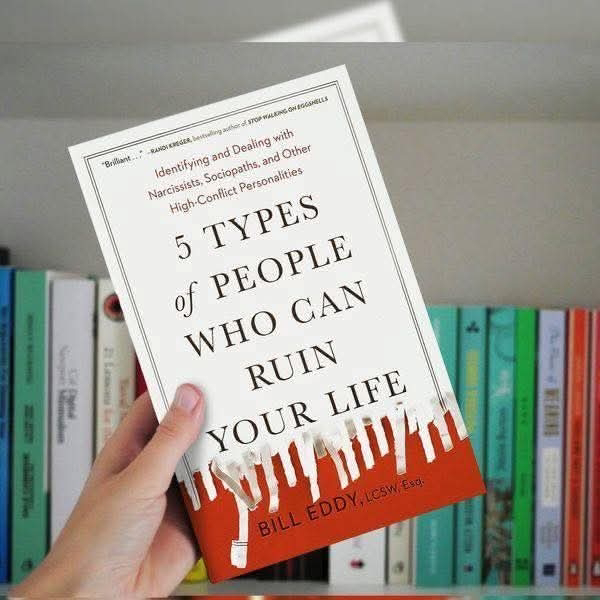
5 People Who Can Ruin Your Life by Dr. John Gartner

Not all dangers come with warning signs. Some arrive disguised as friendships, love, or authority. They manipulate, deceive, and drain, leaving behind confusion, self-doubt, and emotional scars. 5 People Who Can Ruin Your Life by Dr. John Gartner is not just a book—it’s a survival manual for recognizing and protecting yourself from the toxic personalities who can upend your peace, your confidence, and even your future.

Here are seven crucial lessons this book reveals:

1. Some People Are Beyond Reason
Not everyone thinks, feels, or reacts like you do. Certain individuals—whether narcissists, sociopaths, or those with borderline traits—do not respond to logic or empathy. The key is not to fix them but to recognize the danger and protect yourself.

2. Boundaries Are Non-Negotiable
Toxic individuals do not respect personal limits. They push, manipulate, and guilt-trip. Setting firm boundaries isn’t just about self-care—it’s about survival. Say no. Walk away. Protect your mental and emotional well-being at all costs.

3. Gaslighting is a Weapon, Not a Misunderstanding
When someone repeatedly makes you question your own reality, it’s not a disagreement—it’s psychological warfare. This book teaches you to recognize gaslighting for what it is: a deliberate attempt to control and destabilize you.

4. Charm Can Be a Red Flag
Some of the most destructive people appear charismatic, intelligent, and deeply persuasive. They know how to draw you in with flattery and excitement—only to erode your self-worth once they have control. Pay attention to actions, not just words.

5. Walking Away is Not Weakness—It’s Strength
You do not owe toxic people your time, your explanations, or your forgiveness. Cutting ties with destructive personalities is not cruel—it’s the healthiest choice you can make. This book provides the courage to choose yourself.

6. Your Instincts Are There to Protect You
That uneasy feeling? The discomfort in your gut? It’s not paranoia—it’s your intuition sounding the alarm. Ignoring red flags can come at a high cost. Learning to trust your instincts can save you from emotional and psychological harm.

7. Not Everyone Deserves Access to You
Your time, energy, and emotional investment are valuable. Recognizing who is safe and who is harmful is the first step in reclaiming your peace. You get to decide who is allowed in your life.

5 People Who Can Ruin Your Life is a wake-up call and a guidebook to protecting yourself from those who thrive on manipulation and destruction. It teaches not just how to recognize toxic personalities, but how to break free from their grip. If you've ever felt trapped in a cycle of emotional exhaustion, this book hands you the key to freedom.

GET THE BOOK: https://amzn.to/40V385N

YOU CAN ALSO ACCESS THE AUDIOBOOK FOR FREE ON AUDIBLE USING THE SAME LINK TOR REGISTER.

Thursday, July 17, 2025

The Hidden Habits of Genius by Craig Wright

I stumbled upon Craig Wright's "The Hidden Habits of Genius" during a long afternoon walk. As I wandered through the park, I slipped on my headphones, and the surprisingly engaging voice of the author filled my ears, instantly captivating me. His tone, soothing yet vibrant, wove a tapestry of stories about extraordinary minds that spurred my curiosity. What made these genius figures stand out? How did their habits shape their creativity and impact on the world? Wright’s immersive storytelling made each lesson resonate deeply, leading me on a journey of self-reflection that I couldn't help but embrace. 

Here are 7 lessons that struck a chord with me, each filled with insights that I believe can illuminate anyone's path:

1. Accept Curiosity Relentlessly. Wright emphasizes that curiosity is the bedrock of genius. Listening to his narrative, I felt the spark within myself reignite. He shared anecdotes about renowned thinkers and how their relentless questioning led to groundbreaking discoveries. This lesson taught me that nurturing my own curiosity could open doors to new ideas and possibilities, encouraging me and anyone else to explore the unknown without inhibition.

2. The Power of Diverse Experiences. The author deftly illustrates that genius often emerges from a blend of seemingly unrelated experiences. Hearing about how figures like Leonardo da Vinci dabbled across disciplines moved me. I understood that stepping out of my comfort zone and exploring various passions could enhance my creativity. This lesson definitely nudged me and I suspect many others—to integrate different interests into our lives, fostering a richer perspective.

3. Failures as Stepping Stones. One of the most profound lessons I gleaned was about embracing failure. Wright's calming voice rec a Supportive Community  
The narrative emphasizes how geniuses often thrive within supportive communities. Wright’s voice brought these ideas to life, illustrating that no one achieves greatness in isolation. Hearing about the collaborative networks of historical figures struck a chord, prompting me to seek out connections in my own life. This lesson is applicable for anyone looking to foster creativity through shared support.

6. Lifelong Learning. Wright advocates for an insatiable appetite for learning, a message that resonated deeply with me. The examples he shared of lifelong learners inspired me to think about my own habits. He articulated that growth doesn’t stop after formal education; it’s a continuous journey. This lesson encouraged me and I believe can inspire many to remain curious and constantly evolve.

7. Passion as Fuel. Wright underscores the driving force of passion in the lives of geniuses. His engaging storytelling revealed how genuine enthusiasm propels creativity and innovation. This insight nudged me to revisit my own passions and consider how revitalizing them could reignite my creative fire, a reminder that pursuing what we love fuels not just our success, but our happiness.

Book/Audiobook: https://amzn.to/3Gs7yKp

You can access the audiobook when you register on the Audible platform using the l!nk above.

Monday, July 7, 2025

Three Circles of Influence

"Three Circles of Influence," a concept popularized by Stephen Covey in his book The 7 Habits of Highly Effective People. This framework helps individuals to focus their energy and efforts on areas where they can have the most impact. 
The three circles are:

1. Circle of Concern (Outer Circle):
This circle encompasses all concerns that one has little or no control or influence over.

Examples include global events like climate change or political instability, economic conditions, natural disasters, or the behavior of others.

Dwelling on these issues can lead to stress, anxiety, and a feeling of powerlessness. 

2. Circle of Influence (Middle Circle):
This circle contains the things one cannot directly control but can influence through actions and decisions.

It's an area where individuals can try to effect change without guaranteeing success.

Examples include personal habits (e.g., diet, exercise), relationships with others, work performance, and personal development.

Focusing on the Circle of Influence allows positive changes and increases a sense of control. 

3. Circle of Control (Innermost Circle):
This circle represents things one has direct control over.

These are the areas where actions and decisions can directly affect the outcome.

Examples include attitudes, actions, responses to challenges, personal goals, time management, and communication skills.

Concentrating on what can be controlled reduces feelings of helplessness and increases empowerment. 

The Importance of Focusing on the Circles of Control and Influence:
Reduces Stress: By letting go of worries about uncontrollable factors, anxiety and frustration can be reduced.

Increases Effectiveness: Focusing on areas of impact makes efforts more productive.

Promotes Proactivity: This framework encourages a proactive mindset, taking initiative and seeking solutions within one's influence rather than focusing on problems outside of control.

Enhances Personal Growth: By developing skills and building relationships, one can expand the Circle of Influence and create a more fulfilling life. 

In essence, the framework suggests that by focusing energy on what can be controlled and influenced, individuals become more effective, productive, and empowered.

Friday, July 4, 2025

King Solomon's Secrets to Success, Wealth, and Happiness :"The Richest Man Who Ever Lived

King Solomon's Secrets to Success, Wealth, and Happiness :
"The Richest Man Who Ever Lived" by Steven K. Scott is a compelling book that explores the wisdom and principles found in the ancient biblical book of Proverbs. Scott draws on the teachings of King Solomon and provides valuable insights on achieving wealth and success, not just in terms of financial riches, but also in relationships, health, and personal fulfillment. Here are ten key lessons and insights from this insightful book:

1. The Power of Wisdom: The book highlights the power of wisdom in achieving success and wealth. Scott provides insights into how acquiring and applying wisdom can lead to making better decisions, solving problems effectively, and experiencing true prosperity.

2. The Value of Diligence: The author emphasizes the value of diligence and hard work in attaining success. Scott offers insights into how consistent effort, perseverance, and a strong work ethic can lead to the accumulation of wealth and the achievement of goals.

3. The Importance of Integrity: The book explores the significance of integrity in all aspects of life. Scott provides insights into how living with honesty, trustworthiness, and moral character not only brings financial success but also cultivates strong relationships and a sense of personal fulfillment.

4. The Power of Words: The author delves into the power of words and their impact on our lives. Scott offers insights into how speaking positively, affirming success, and practicing gratitude can shape our thoughts, actions, and ultimately, our wealth and well-being.

5. The Art of Discipline: The book addresses the importance of discipline in achieving success. Scott provides insights into how self-discipline, self-control, and delayed gratification can lead to financial abundance and personal growth.

6. The Significance of Planning: The author highlights the significance of planning in achieving long-term success. Scott offers insights into how setting clear goals, creating effective strategies, and implementing action plans can lead to wealth creation and a purposeful life.

7. The Value of Relationships: The book explores the value of nurturing and investing in relationships. Scott provides insights into how building strong connections, seeking wise counsel, and practicing generosity can enhance not only financial success but also personal fulfillment and happiness.

8. The Power of Learning: The author emphasizes the power of continuous learning and personal development. Scott offers insights into how acquiring knowledge, seeking mentors, and embracing a growth mindset can lead to wealth creation and a fulfilling life.

9. The Importance of Character: The book addresses the importance of cultivating strong character traits. Scott provides insights into how qualities like humility, patience, and perseverance contribute to long-term success and wealth creation.

10. The Pursuit of Purpose: The author highlights the significance of finding and pursuing one's purpose in life. Scott offers insights into how aligning personal values and passions with professional endeavors can lead to true wealth, fulfillment, and a life of significance.

"The Richest Man Who Ever Lived" provides readers with timeless wisdom and practical advice for achieving success and wealth based on the teachings of King Solomon. Steven K. Scott's lessons and insights are supported by biblical principles, historical examples, and real-life applications. By immersing themselves in this insightful book, readers gain a deeper understanding of the principles that lead to wealth and success, acquire practical strategies for personal and financial growth, and cultivate a purpose-driven and prosperous life.

GÊT BOOK: https://amzn.to/3GmnbTt

FOLLOW Reading Culture

Sunday, June 1, 2025

Become Who You Were Born to Be

Have you ever wondered if you’re truly living the life you were created for — or if you’re only scratching the surface of your real potential?
In Become Who You Were Born to Be, Dr. Myles Munroe challenges readers to look inward and recognize the untapped greatness within them.
He asks a powerful question: What if the world is waiting for you to discover — and deliver — the gifts only you were designed to offer?

Through powerful insights, personal stories, and faith-centered wisdom, Dr. Munroe calls us to reject mediocrity and step fully into the life of purpose we were meant to live.

10 Lessons from Become Who You Were Born to Be

1. Purpose Is the Key to Fulfillment
True satisfaction and meaning in life come not from possessions, status, or success — but from discovering and fulfilling your unique God-given purpose.

2. You Were Created With Intentionality
You are not an accident or a random event. You were specifically and intentionally designed to fulfill a special assignment on Earth.

3. Potential Is Buried Within You — Waiting to Be Released
Every person carries hidden talents, gifts, and dreams. Unlocking this potential requires faith, effort, and a willingness to trust the process.

4. Your Environment Should Support Your Growth
Just like seeds need the right soil to grow, you need to place yourself in environments — relationships, communities, and practices — that nurture your God-given destiny.

5. Comparison Destroys Purpose
Measuring your life against others’ achievements leads to frustration and distraction. Purpose is personal; no one else can fulfill your assignment for you.

6. Fear Is the Enemy of Destiny
Fear paralyzes potential. Dr. Munroe emphasizes that courage isn't the absence of fear — it's the decision to move forward despite it, trusting God's plan.

7. Vision Gives Life Direction
Without a clear vision, it’s easy to drift. Vision is your mental picture of the future God has prepared for you — and it becomes the compass guiding your daily choices.

8. Failures Are Lessons, Not Finalities
Mistakes are part of the journey toward becoming who you were born to be. Failure is not a label — it's feedback and redirection on the path to fulfillment.

9. Service to Others Unlocks Greatness
True purpose is never selfish. When you use your gifts to serve and uplift others, you walk in the fullness of who you are meant to be.

10. Your Life Should End Empty of Potential
Dr. Munroe famously taught that the wealthiest place in the world is the graveyard — full of unfulfilled dreams and unused talents. His charge to us: Die empty. Pour out everything you were given to do, create, and give before your time is done.

Conclusion
In Become Who You Were Born to Be, Myles Munroe offers a passionate and inspiring call to live intentionally, courageously, and purposefully.

He reminds us that the greatest tragedy is not death — but a life never truly lived, a potential never fully realized.
Your gifts, talents, dreams, and calling are not just for you — they are your contribution to the world.

You were born on purpose, for a purpose.
The journey to becoming who you were created to be is not only possible — it’s necessary.

Book/Audiobook: https://amzn.to/4jhtR2r

Monday, May 26, 2025

SEVEN TYPES OF PEOPLE TO AVOID!

1. WHEELBARROW PEOPLE: This category of people are energy drainers and time wasters. Such people would always want you to do everything for them. They don’t care about your own good but only theirs. They believe it’s your problem to solve their problems. One terrible thing about “wheelbarrow” is that, after you have laboured to load it up, you will still have to labour to push before it moves.

Note: Wheelbarrow people are consumers of energy, time and resources.

2. MOSQUITO PEOPLE: This set of people are only interested in sucking goodies out of your life and injected poison in replacement. They are benefits seekers but will never add values to others. Mosquito people have nothing good to offer but always want to derive goodness from others. Here is one terrible thing about “Mosquitos”, they only sing around you whenever they want to suck your blood and give you malaria.

Note: Mosquito people only sing your praises when they have something to benefit from you, while they backbite and backstab you thereafter.

3. SCAFFOLDING PEOPLE: This category of people are glory seekers and takers. Just because they have helped you at one time or another, they would want to be god over your life. They want to always control you and dictate the directions of your life. They won’t want you to be free and shine on your own but to always be under them.

One good thing about “Scaffolding” is that it’s useful but it’s usefulness is for short-term purpose. It is dangerous to be kept for permanent purpose.

Note: You must know when the relevances of scaffolding people have started constituting nuisance to your personal development and progress. And at such a time, all you must do is to discard them without delay, if not, your star will never shine.

4. CROCODILE PEOPLE: This category of people are nothing but pretenders. They don't have good reasons or godly intentions for getting closer to you. They only get close to know your secrets and will possibly use whatever personal information they know about you against you at any slightest provocation or disagreement. Crocodile people are not pretenders, they are liars, backstabbers, gossipers and twaddlers.

Note: Crocodile people would pretend to gain your empathy and make you vulnerable to their attack thereafter.

5. CHAMELEON PEOPLE: This set of people are envious and full of jealousy. They are always in unhealthy competition with you. They pretend as if they are going the same direction with you but only to silently monitor your life's progress with evil and negative intentions. They are envious of your success and as a result enter into competitive jealousy with you. Chameleon people are friends that will neither support you nor celebrate your progress, but would always amplify your downfall and mistakes.

Note: A jealous and envious friend can go any length to sabotage your efforts, frustrate your plans and destroy your dreams.

6. NAYSAYER PEOPLE: This set of people are dream killers. They won't appreciate your dreams and they will never support it. They will tell you 1001 reasons why your dream is impossible. They won't see your efforts but will always capitalise on your failed attempts. They will always see your cup half-empty and not half-full. When you are working on solutions, they would be busy creating more problems for you. They are passion killers and hope drainers.

Note: Naysayer People don't have dreams, so they will neither appreciate your dream nor support it.

7. GARBAGE PUSHER PEOPLE: This category of people are the worst of them all. They don't have anything good to offer. Their lives are full of debris, dirtiness and trashes. They are carriers of bad and negative news. They are carriers and disseminators discouraging and demoralizing information. Anytime they surface, it means they have something negative to talk about. They a peddlers of unfortunate events and negative development.

Note: Garbage Pusher People are always the first set of people to twit, post and broadcast ungodly, unfortunate, unprofitable and heartbreaking information.

You know them on your list as I also have them on my list too.

NOTE:

It is your sole responsibility to examine your life to really understand what categories of people you are surrounded with. Your life can only move in right directions the moment you associate with positive people and disconnect from negative people. Am I communicating?

Sunday, May 25, 2025

Four Types of Problems by Art Smalley

Four Types of Problems by Art Smalley is a comprehensive guide to problem-solving frameworks, helping individuals and organizations address challenges more effectively. Smalley categorizes problems into four distinct types, each requiring a tailored approach. The book combines theoretical insights with practical examples to empower readers to tackle problems systematically and innovatively.

Here are some few Highlights from the Book:

1.Introduction to the Four Types of Problems:
Smalley categorizes problems into four types: reactive, gap-from-standard, target-state, and open-ended innovation. Each type is explained with its unique characteristics, emphasizing the need for different methods of resolution.

2.Reactive Troubleshooting:
The book highlights reactive problem-solving as the immediate response to unexpected issues. Smalley advises against relying solely on this approach, noting its limitations in addressing root causes.

3.Gap-from-Standard Problems:
This type addresses deviations from established standards. Smalley emphasizes structured methods such as root cause analysis to eliminate recurring issues and restore stability.

4.Target-State Problems:
For problems involving reaching specific goals, Smalley advocates for strategic planning and continuous improvement. He illustrates how these problems require a proactive and methodical approach to bridge gaps between current and desired states.

5.Open-Ended Innovation Problems:
Smalley explores creative problem-solving for innovation, where solutions are not predefined. He encourages fostering creativity and collaboration to explore new possibilities and develop groundbreaking solutions.

6.Customizing Problem-Solving Tools:
The book stresses that no single tool fits all problems. Smalley provides practical advice on selecting and applying appropriate methodologies, such as Lean, Six Sigma, or Design Thinking, based on the problem type.

7.Building Organizational Problem-Solving Capability:
Smalley underscores the importance of cultivating a culture of problem-solving within organizations. He suggests training employees, fostering collaboration, and encouraging continuous learning to enhance collective capability.

8.Case Studies and Real-World Examples:
The book is rich with examples from industries such as manufacturing and healthcare, illustrating how the four problem types can be applied effectively in real-world scenarios.

9.Empowering Leadership:
Smalley discusses the role of leaders in identifying and categorizing problems accurately. He emphasizes that strong leadership is essential for creating an environment that supports systematic problem resolution.

In Conclusion,
Four Types of Problems by Art Smalley offers a well-structured approach to problem-solving, helping readers navigate diverse challenges with clarity and purpose. By categorizing problems and providing tailored strategies for each type, the book equips individuals and organizations with practical tools to drive improvement and innovation. This is a must-read for leaders, managers, and problem-solvers across industries.

Get the Book: https://amzn.to/3Z1Gyqi

You can ACCESS the AUDIO BOOK for FREE using the same link. Use the link to register the AUDIO BOOK on AUDIBLE

Thursday, May 22, 2025

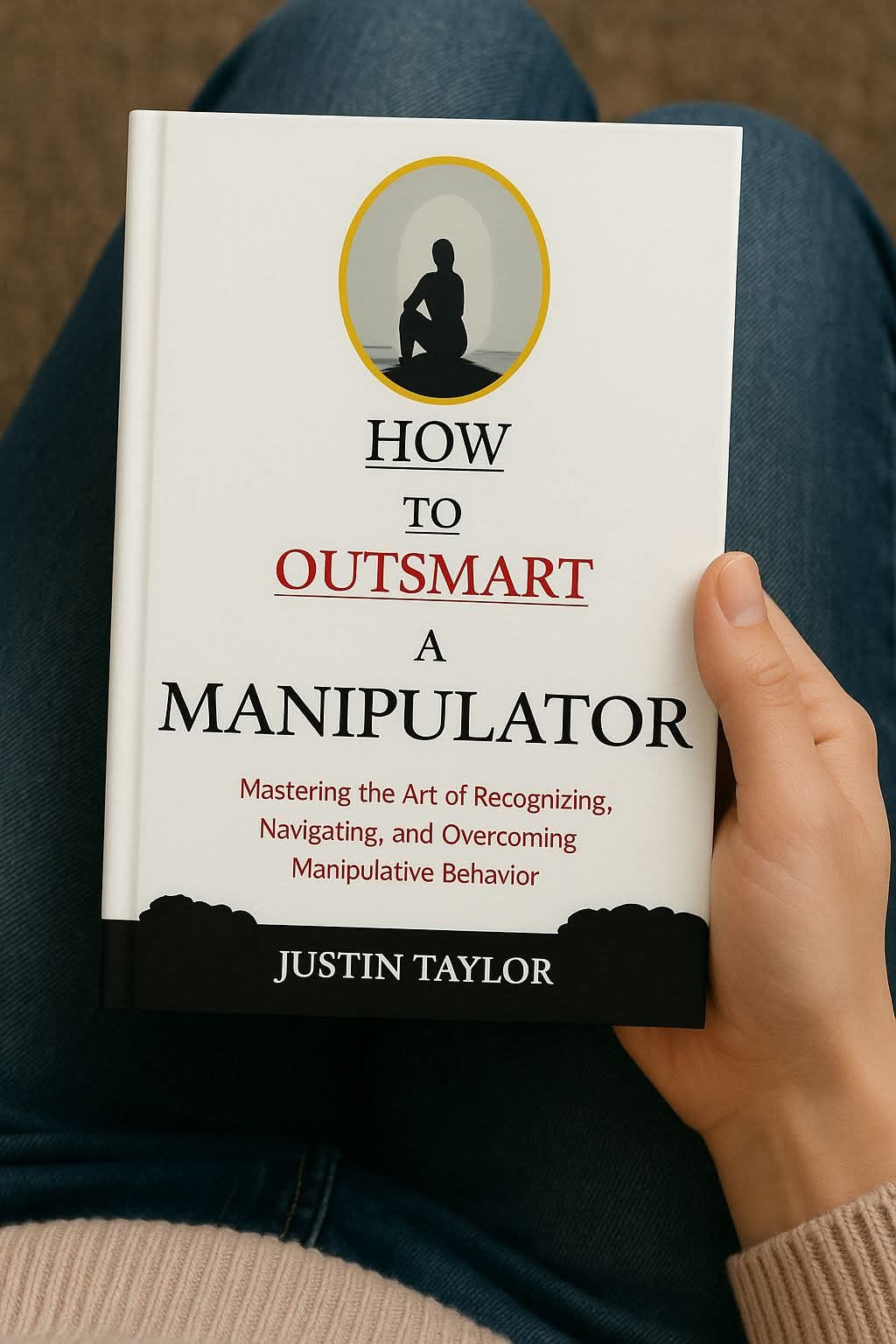
How to Outsmart a Manipulator by Justin Taylor

One late night, while browsing through the Lulu bookstore in search of self-help books, I stumbled upon How to Outsmart a Manipulator by Justin Taylor. The title immediately caught my attention, resonating with my recent experiences. I had been grappling with the realization that a close friend had been subtly manipulating me. Their constant need for control, the guilt-tripping, and the way they twisted situations to their advantage had left me feeling confused and emotionally drained. I hadn't recognized these behaviors as manipulation until I saw this book. Hoping to find clarity and regain control over my interactions, I purchased it.

Reading Taylor's book was an eye-opening experience. It not only helped me identify the manipulative tactics used against me but also provided practical strategies to counteract them. Here are ten invaluable lessons I learned:

1. Recognize Manipulative Behavior Early

Taylor emphasizes the importance of identifying manipulation before it takes hold. He outlines common tactics such as guilt-tripping, gaslighting, and playing the victim. Understanding these signs enabled me to spot manipulation in its early stages and address it promptly.

2. Understand the Psychology Behind Manipulation

The book delves into the psychological mechanisms manipulators exploit, such as our desire for approval or fear of conflict. By understanding these, I became more aware of my vulnerabilities and learned to protect myself from being exploited.

3. Set Clear Boundaries

Taylor stresses the necessity of establishing and maintaining personal boundaries. He provides guidance on how to communicate limits assertively and the importance of consistency in upholding them. Implementing this advice helped me reclaim my personal space and autonomy.

4. Build Emotional Resilience

Manipulators often target emotional weaknesses. The book offers exercises to strengthen emotional resilience, such as mindfulness practices and self-reflection techniques. These tools have been instrumental in helping me stay grounded and less susceptible to emotional manipulation.

5. Trust Your Instincts

Taylor encourages readers to listen to their gut feelings. Often, we sense something is off but dismiss it. Learning to trust my instincts has been crucial in identifying and avoiding manipulative situations.

6. Communicate Assertively

The book provides strategies for assertive communication, emphasizing the use of "I" statements and maintaining a calm demeanor. This approach has empowered me to express my needs and concerns without aggression or passivity.

7. Avoid Justifying or Over-Explaining

Manipulators often exploit our tendency to over-explain. Taylor advises keeping explanations concise and avoiding unnecessary justifications. This tactic has helped me maintain control during interactions and prevent being drawn into manipulative dialogues.

8. Recognize the Impact of Manipulation on Mental Health

The book discusses how prolonged exposure to manipulation can lead to anxiety, depression, and low self-esteem. Acknowledging this impact motivated me to prioritize my mental well-being and seek supportive relationships.

9. Develop a Support System

Taylor highlights the importance of surrounding oneself with trustworthy individuals. Building a support network has provided me with perspective, encouragement, and a safe space to discuss concerns.

10. Empower Yourself Through Knowledge

Ultimately, the book underscores that knowledge is power. Understanding manipulation tactics and how to counter them has restored my confidence and sense of control. I now approach relationships with a balanced perspective, aware of potential red flags and equipped to handle them.

How to Outsmart a Manipulator by Justin Taylor has been a transformative read. It has not only helped me navigate and exit a toxic friendship but also equipped me with the tools to foster healthier relationships moving forward. I feel more confident, self-assured, and prepared to protect my emotional well-being.

BOOK LINK: https://www.lulu.com/shop/justin-taylor/how-to-outsmart-a-manipulator/ebook/product-jewnzz5.html?q=How+to+Outsmart+a+Manipulator+&page=1&pageSize=4